About the Kan’ei Gyoko 400th Anniversary Festival
In 1626 (Kan’ei 3), the Tokugawa shogunate welcomed Emperor Go-Mizunoo to Nijo Castle and,
over five days, entertained
him with bugaku (court dance), Noh theater, waka poetry, and other refined arts. The Kan’ei Gyoko was
among the grandest
events of the Edo period, signaling reconciliation between the imperial court and the shogunate and
proclaiming the
arrival of a long era of peace.
In preparation for the visit, Nijo Castle was extensively remodeled
into a form close to what we see today. The Kan’ei
Gyoko also helped bring “Kan’ei culture” into full bloom—culture that would later exert a profound
influence on Japanese
cultural history.
In 2026 (Reiwa 8), marking four hundred years since the Kan’ei Gyoko, Kyoto will host
the Kan’ei Gyoko 400th Anniversary
Festival as a project of the Agency for Cultural Affairs Collaboration Platform—an all-Kyoto initiative
bringing
together government, the business community, and cultural and arts organizations. Centered on Nijo Castle
and other
sites associated with Kan’ei culture, the festival will feature reenactments of Kan’ei Gyoko ceremonies,
along with a
range of programs that look back on the culture that flourished during the Kan’ei era.
Overview: Kan’ei Gyoko 400th
Anniversary Commemorative Festival
| 【 Event Period 】 | Programs will be held primarily in 2026. In 2025—the year leading up to the anniversary—related initiatives will also be carried out. |
|---|---|
| 【 Venues 】 | Primarily in Kyoto City, with additional events at locations across Japan: ◉ Nijo Castle ◉ Cultural and other facilities within Kyoto City ◉ Other sites across Japan associated with the Kan’ei era |
| 【 Organizers 】 | Kan’ei Gyoko 400th Anniversary Commemorative Festival Organizing Committee (established within the Agency for Cultural Affairs Collaboration Platform) |
Overview: Kan’ei Gyoko 400th Anniversary Commemorative Festival
Official Programs
Kan’ei Gyoko Procession Reenactment
(Details currently being coordinated.)
| 【 Schedule 】 | Sunday, December 6, 2026 (approximately 2 hours) |
|---|---|
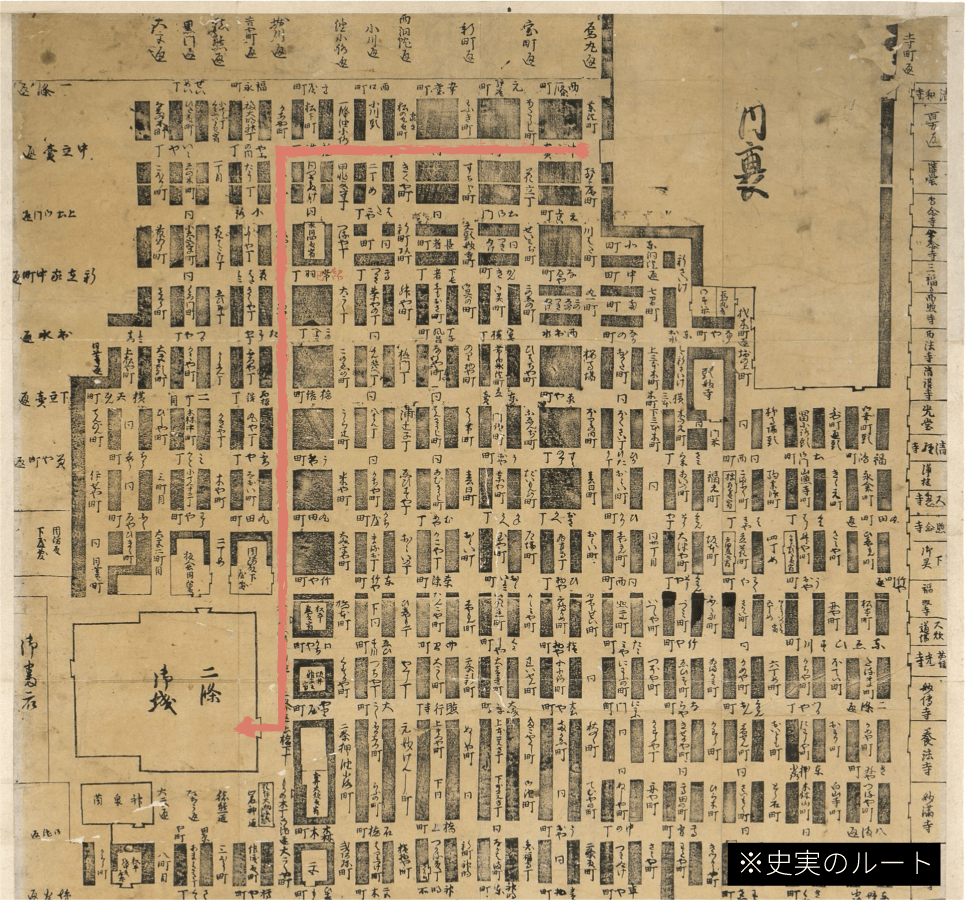
| 【 Route 】 | Kyoto Imperial Palace (Gosho) → Nijo Castle, Higashi-Ōtemon (East Main Gate)
(approximately 2 km; route details currently being coordinated)
◉ Departure event ◉ Welcome event at Nijo Castle |
| 【 Content 】 | Participants: approximately 300 (planned) Participants will be assigned various roles and will wear period costumes. |
Initiatives to Promote Understanding of Kan’ei Culture
Details currently being coordinated.
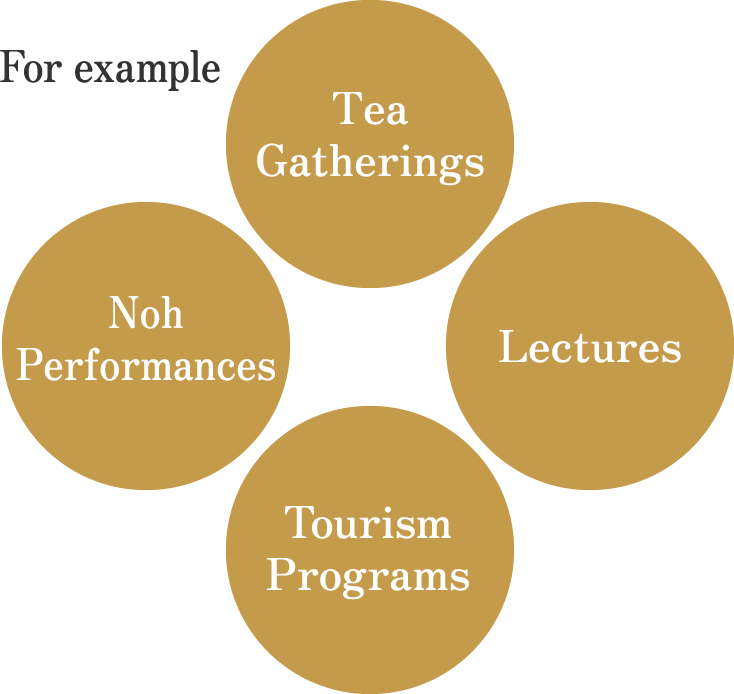
- A. Kan’ei Culture Lecture Series and Kan’ei Summit
- ◉ A lecture and workshop series led by researchers
◉ Public seminars and symposia for the general public, led by specialists and cultural figures - B. Noh Performances
- ◉ A revival performance of Kan’ei Nōgaku Sōdōki
◉ Opportunities to experience Noh with commentary by professional Noh performers - C. Traditional Industries and Cultural Experiences
- ◉ Revitalizing traditional industries and passing on cultural traditions through reproductions of
costumes and decorative
arts
◉ Hands-on programs held at the “Kan’ei Culture Salon”
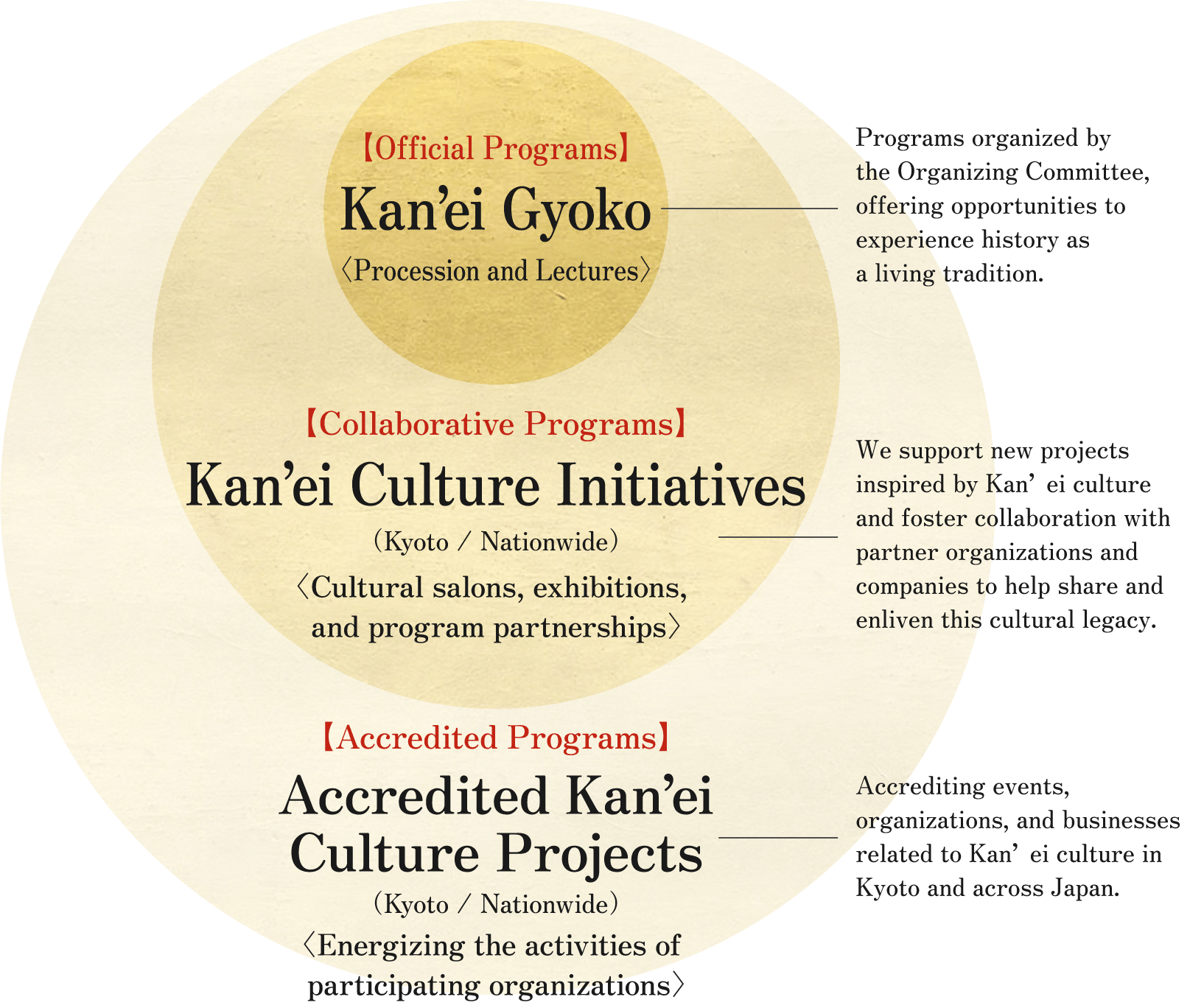
Collaborative and Accredited Programs
-
Kyoto’s annual events:
special 2026 “Kan’ei” editions
-
Private-Sector Initiatives
Projects inspired by Kan’ei culture and sites associated with the Kan’ei era
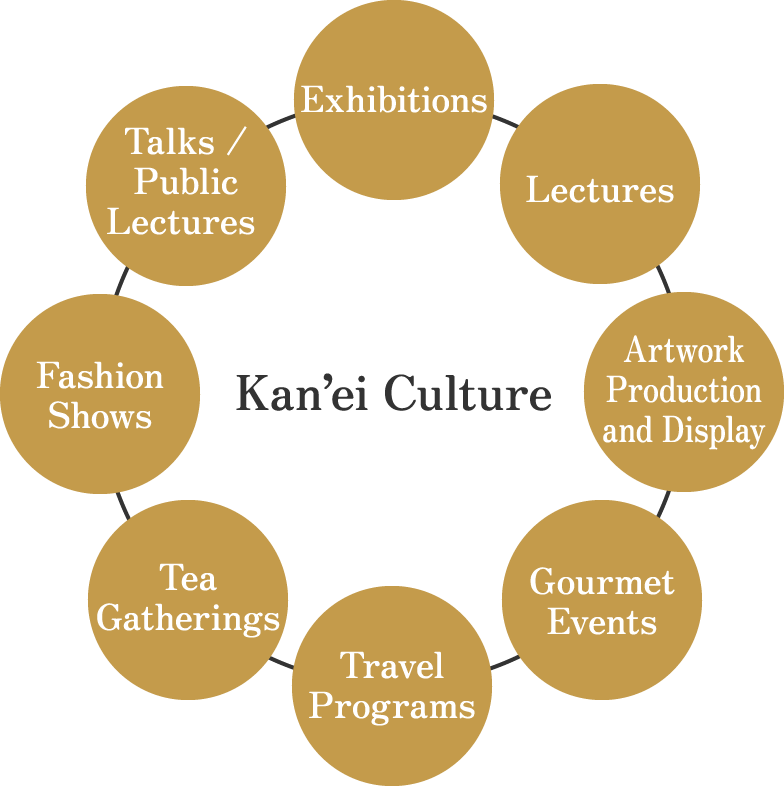
Centered on the three museums listed below, a variety of Kan’ei-era exhibition projects are currently being planned at museums across Kyoto.
-
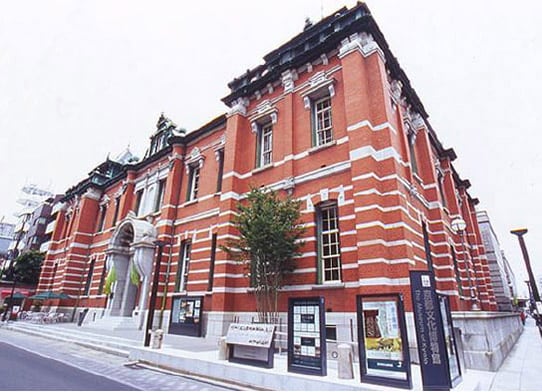
【The Museum of Kyoto】
Visit Official Website -
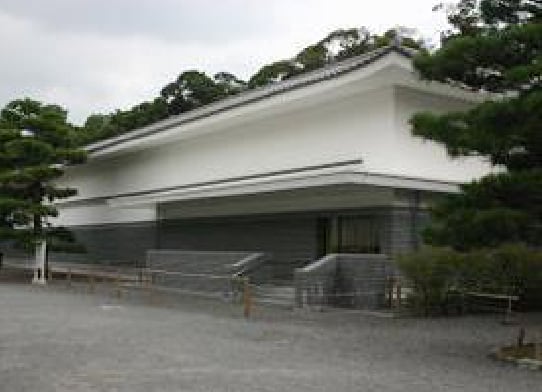
【 Nijo Castle Exhibition and Archives Center 】
Visit Official Website -
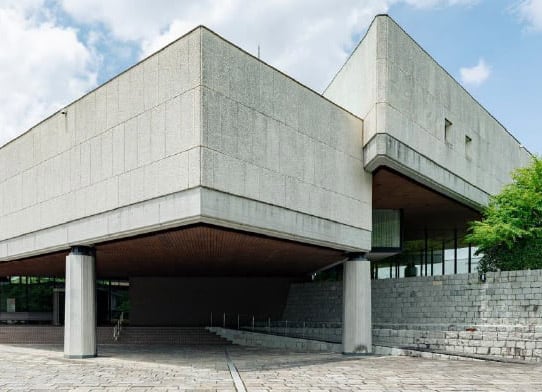
【 Sen-Oku Hakuko Kan Museum 】
Visit Official Website
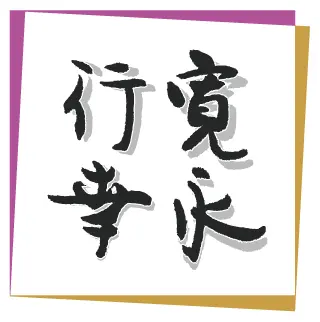
Design Concept for the Kan’ei Gyoko 400th Anniversary Commemorative Festival Logo
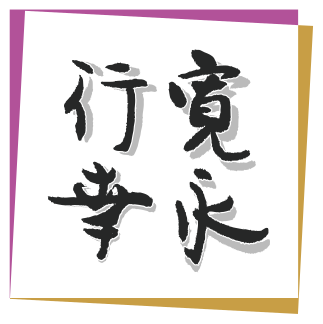
Kan’ei Gyoko (Imperial Visit to Nijo Castle in 1626)—Mizunoo proceeded from the Kyoto Imperial
Palace to Nijo Castle—symbolized reconciliation between the imperial court and
the Tokugawa shogunate. The relationship between the Kyoto Imperial Palace (Gosho) and Nijo Castle, the
shogunate’s seat
in Kyoto, has long shaped the course of Japanese history.
On a map, Nijo Castle is oriented at a slight angle—approximately three degrees to the east—relative to
the north–south
axis of the Kyoto Imperial Palace. This subtle shift is reflected in the logo design.
The characters for
“Kan’ei Gyoko” are based on the handwriting of Konoe Nobuhiro, a younger brother of Emperor
Go-Mizunoo, who played a key role in realizing the visit by mediating between the shogunal family and the
imperial
court. His calligraphy appears in the manuscript Kan’ei 3 Gyoko Nikki (Diary of the Imperial Visit in Kan’ei
3),
preserved in the Yomei Bunko collection.
Logo design:
Konoe Tadahiro, creative director and eldest son of the 32nd head of the Konoe
family.
© Kan’ei Gyoko 400th Anniversary Commemorative Festival Organizing Committee
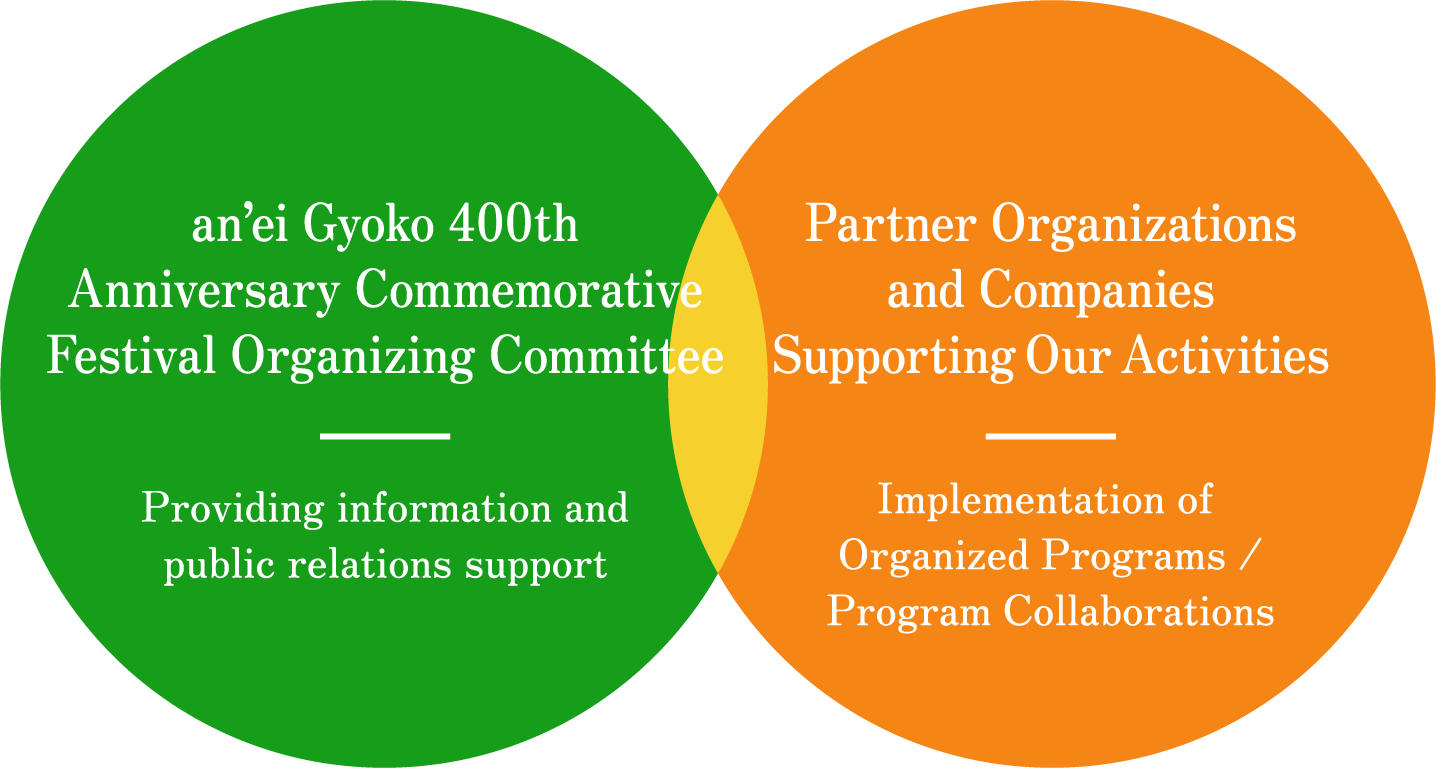
The Kan’ei Gyoko 400th Anniversary Commemorative Festival Organizing Committee was established in August 2025 (Reiwa 7). Through the Kan’ei Gyoko 400th Anniversary Commemorative Festival, the committee aims to deepen awareness and understanding of the Kan’ei Gyoko and Kan’ei culture; strengthen Nijo Castle’s profile and appeal; support the transmission of traditional culture in Kyoto and across Japan; foster the next generation of cultural practitioners; and promote traditional industries. By linking these efforts, the committee seeks to create a virtuous cycle between culture and the economy and to serve as a national model for cultural initiatives.
- 【 Members 】
- As of August 2025 (Reiwa 7)
| Title | Affiliation | Position within Affiliated Organization | Name | |
|---|---|---|---|---|
| Officers | Chairperson | Kyoto Prefecture | Deputy Director, Department of Culture and Community Affairs; Director, Cultural Policy Office | Umehara Kazuhisa |
| Vice Chairperson | City of Kyoto | Director for Cultural and Artistic Policy | Hiraga Tetsuya | |
| Vice Chairperson | Kyoto Chamber of Commerce and Industry | Senior Managing Director | Kojima Hironao | |
| Vice Chairperson | Kyoto Convention & Visitors Bureau(Kyoto Culture and Exchange Foundation) | Senior Managing Director | Yamamoto Hitomi | |
| Auditor | Kyoto Association of Corporate Executives (General Incorporated Association) | Secretary-General | Shimotsuma Takeyuki | |
| Committee Member | Former Imperial Villa Nijo-jo (Nijo Castle) Administration Office | Director | Sakai Ryotaro | |
| Committee Member | Kyoto Prefectural Tourism Federation (Public Interest Incorporated Association) | Senior Managing Director | Yotsutsuji Kiyomi | |
| Committee Member | Kyoto City Tourism Association (Public Interest Incorporated Association) | Senior Managing Director | Yokoi Masashi | |
| Committee Member | Kyoto Cultural Foundation (Public Interest Incorporated Foundation) | Secretary-General; Deputy Director, The Museum of Kyoto | Kanatani Muneko | |
| Committee Member | Kyoto City Arts and Culture Foundation (Public Interest Incorporated Foundation) | Senior Managing Director | Matsumoto Morihiro | |
| Committee Member | Kyoto Shimbun COM Co., Ltd. | Director, Sales Bureau | Ishitoku Kazuhiko | |
| Producer | Living History KYOTO | Representative | Hamasaki Kanako |
|---|
| Observer | Agency for Cultural Affairs | Councilor | Matsusaka Hiroshi |
|---|---|---|---|
| Observer | Sen-Oku Hakuko Kan Museum | Director, Curatorial Department | Sanekata Yoko |