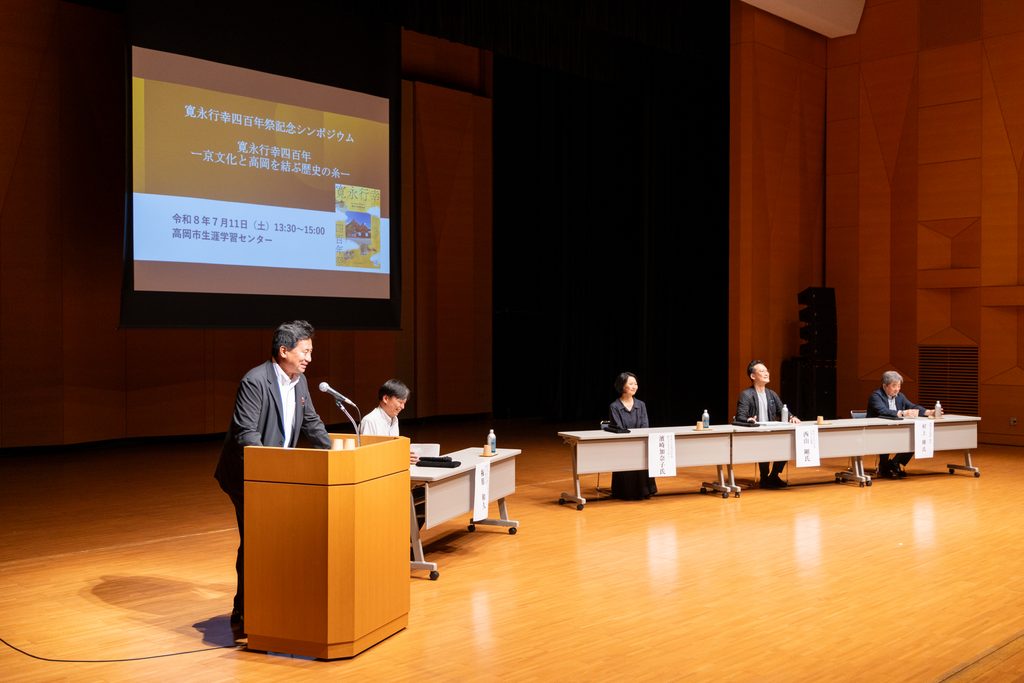
On Saturday, July 11, the Kan’ei Gyoko 400th Anniversary Commemorative Symposium, “Four Centuries Since the Kan’ei Gyoko: Historical Threads Connecting Kyoto Culture and Takaoka,” was held at the Takaoka Lifelong Learning Center in Toyama Prefecture.
As part of the Kan’ei Gyoko 400th Anniversary Festival, we have been developing a variety of commemorative programs in collaboration with places associated with Kan’ei Culture. One such connection that has drawn our attention is the historical link with Takaoka City in Toyama Prefecture.
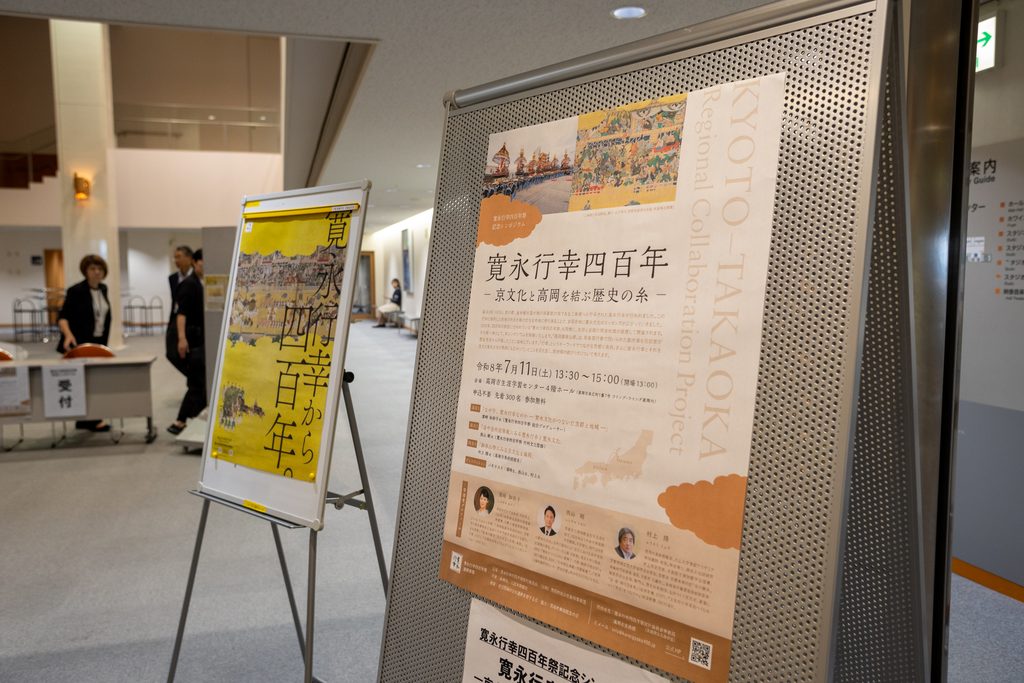
The History of Imperial Visits Connecting Kyoto and Takaoka
The key to understanding Takaoka’s connection with Kyoto lies in the Jurakudai Gyoko (Imperial Visit to Jurakudai), which took place in 1588 (Tensho 16), thirty-eight years before the Kan’ei Gyoko.
Maeda Toshiie was among those who attended this Imperial Visit, during which Toyotomi Hideyoshi welcomed Emperor Go-Yozei to Jurakudai. On that occasion, Toshiie received an Imperial carriage from Hideyoshi. The carriage was later presented to the townspeople of Takaoka by Maeda Toshinaga, the second head of the Maeda family, and this is regarded as the origin of the Takaoka Mikurumayama Festival, a tradition that continues to the present day.
A cultural memory born through an Imperial Visit thus passed from Kyoto to the Maeda family, and from the Maeda family to Takaoka. Through the tangible cultural heritage of the Mikurumayama festival floats, Takaoka has preserved the splendor and aesthetic sensibilities of Momoyama culture to the present day.
Historical Threads Connecting Kyoto and Takaoka
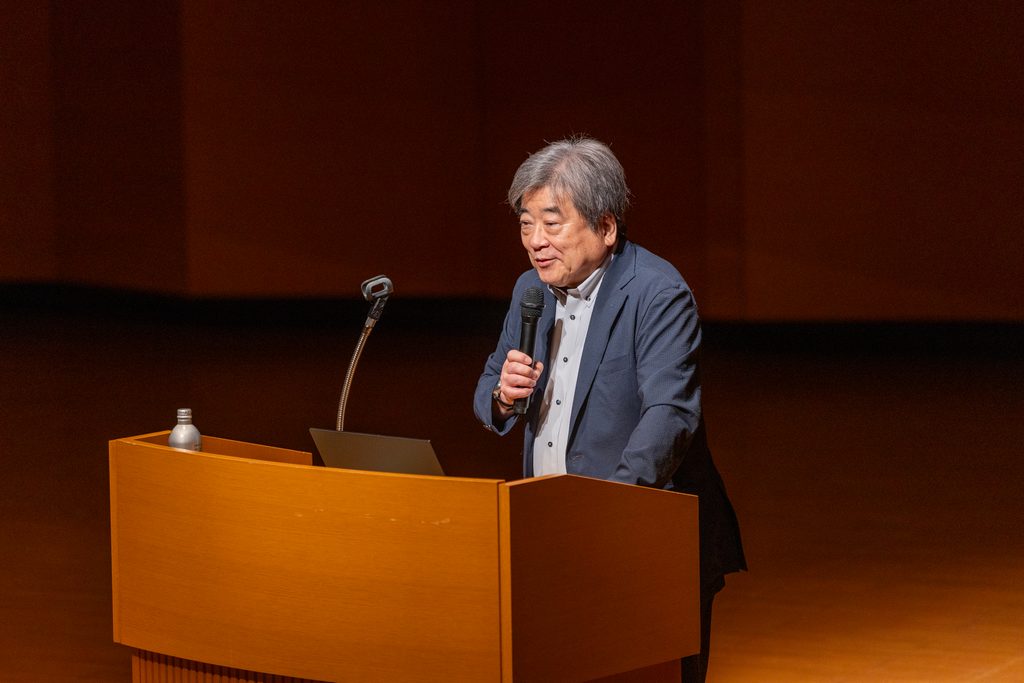
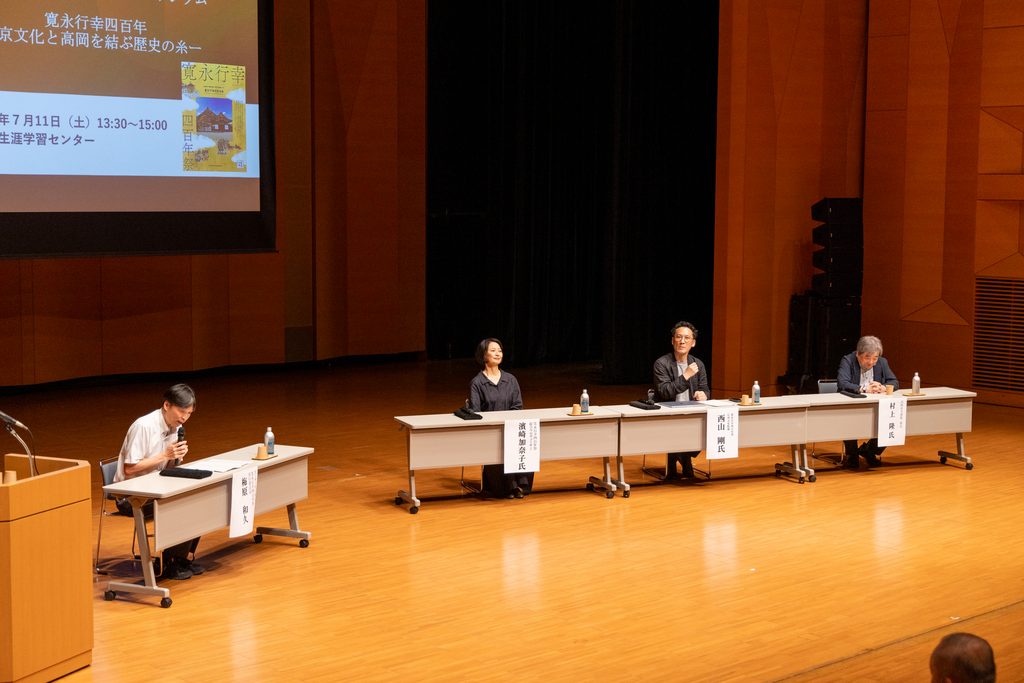
At this symposium, Kazuhisa Umehara, Chairman of the Kan’ei Gyoko 400th Anniversary Festival Executive Committee, served as coordinator. Speakers included Kanako Hamasaki, Executive Producer of the Festival, and Tsuyoshi Nishiyama, Cultural Supervisor for Historical Processions.
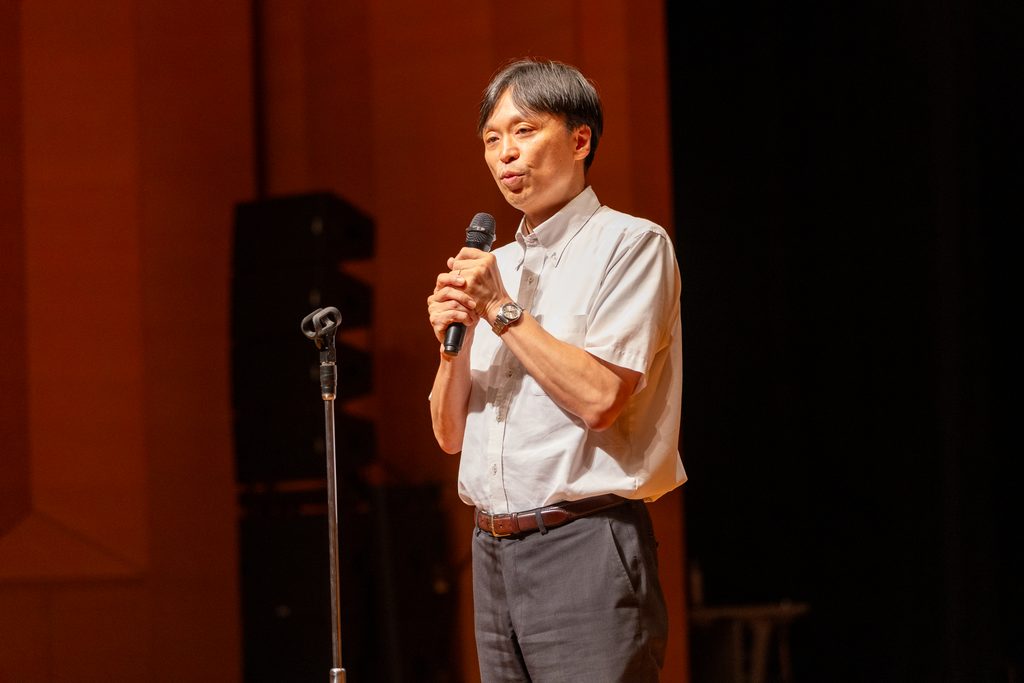
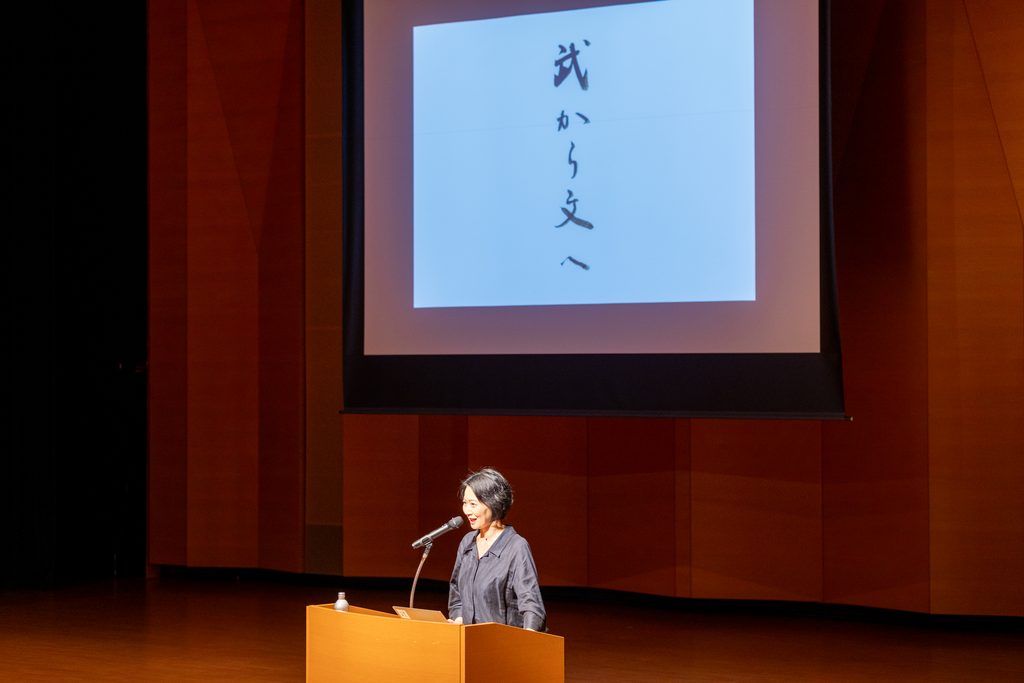
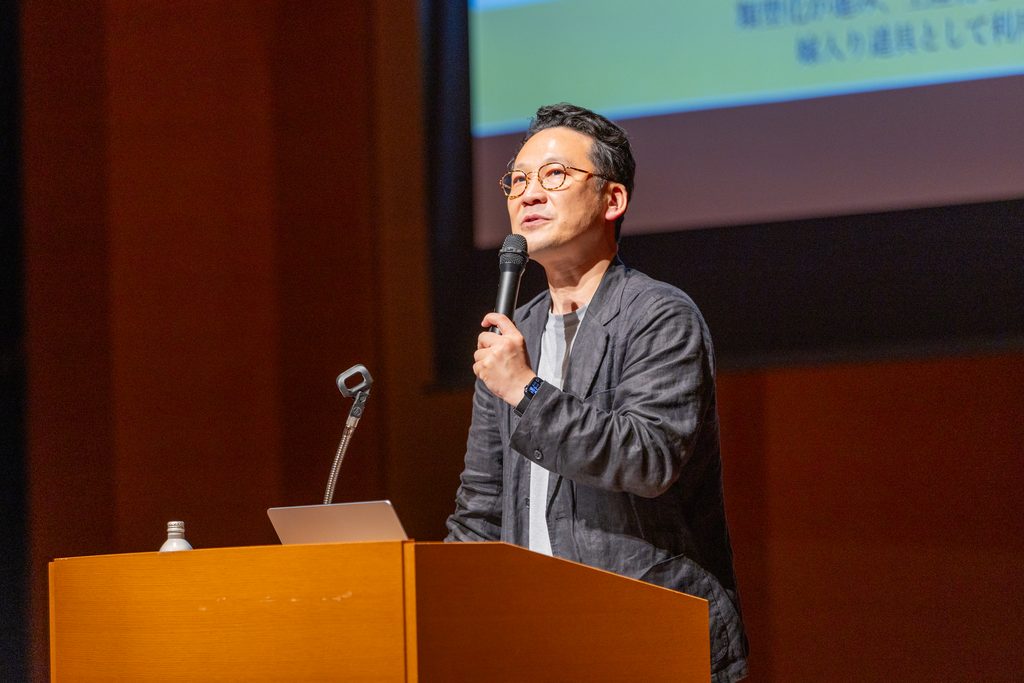
The symposium explored the significance of reflecting on the Kan’ei Gyoko in the present day, while also tracing the historical connections between Kyoto and Takaoka through such cultural works as the “Scenes In and Around Kyoto” folding screens preserved in Takaoka.
In a lecture entitled “Kyoto Culture and Takaoka as Seen Through the Mikurumayama Festival,” Takashi Murakami, Director of the Takaoka Art Museum, also shed light on Takaoka’s history: from the era of the Toyotomi and Maeda families to the Mikurumayama Festival, and onward to the craftsmanship that flourished from the Kan’ei era onward.
Even in Takaoka, far from Kyoto, traces of cultural heritage connecting the city to four centuries ago can still be found today.
By looking anew at Takaoka’s history as a place associated with Kan’ei Culture, the symposium offered an opportunity to appreciate the long “historical threads” that have connected Kyoto and Takaoka across the centuries.
Photography: Masaki Hashimoto
Following the symposium, Takashi Murakami contributed an article to the Kitanippon Shimbun. We are pleased to have been given special permission to share the article here.
We invite you to read it together with the report above.
“Reflections on the Kan’ei Gyoko 400th Anniversary Commemorative Symposium”Takashi Murakami
Director, Takaoka Art Museum
Academic Advisor and Professor, Taisho University Kyoto Academia
Professor Emeritus, Kyoto University of the Arts and CraftsA Gyoko is an occasion on which the Emperor travels outside the Gosho (Kyoto Imperial Palace). The Kan’ei Gyoko was an extraordinary event held in 1626 (Kan’ei 3), eleven years after the Toyotomi family was destroyed in the Summer Siege of Osaka. Tokugawa Iemitsu, the third Tokugawa shogun, invited Emperor Go-Mizunoo to Nijo Castle and received him with elaborate hospitality. The Imperial Visit proclaimed to the wider world the harmonization of the Emperor and the shogun and the advent of peace. Yet it went beyond a mere display of political reconciliation: it also provided a major impetus for the flourishing of Kan’ei Culture, which would become one of the foundations of the culture and arts now widely regarded as distinctly Japanese.
In 2026, the 400th anniversary of the event, the Kan’ei Gyoko 400th Anniversary Festival is being held as a project of the Agency for Cultural Affairs Collaboration Platform, an initiative of Kyoto Prefecture and the City of Kyoto. Centered on Nijo Castle and extending to places associated with Kan’ei Culture, the Festival both recreates aspects of the Kan’ei Gyoko through commemorative events and offers an opportunity to look back on Kan’ei Culture itself.
I have long-standing ties with Kyoto, having served, among other roles, as a member of the Nijo Castle Preservation and Improvement Committee of the City of Kyoto and as chair of its subcommittee on the wall paintings of the Ninomaru Palace. When the Kan’ei Gyoko 400th Anniversary Festival Executive Committee approached me about the possibility of collaborating with Takaoka City, my exploration of Takaoka’s history led me to reflect on the Jurakudai Gyoko.
The Jurakudai Gyoko was a major event held in 1588 (Tensho 16), when Toyotomi Hideyoshi, then serving as Kanpaku (Imperial Regent), invited Emperor Go-Yozei to Jurakudai as a demonstration of his relationship with the Imperial Court. In this sense, it was a precursor to the Kan’ei Gyoko in its use of an Imperial Visit as a political spectacle. Maeda Toshiie, who took part in the procession, received from Hideyoshi the Imperial carriage used on that occasion. In 1609 (Keicho 14), when Takaoka was founded as a town, Maeda Toshinaga, the second head of the Maeda family, presented the carriage to the townspeople of Takaoka. This is regarded as the origin of Takaoka’s Mikurumayama Festival.
Through the tangible cultural heritage of the Mikurumayama festival floats, Takaoka preserves to the present day the memory of the magnificent political spectacle of the Momoyama period. The Mikurumayama Festival is therefore far more than a regional traditional event. It is unique, tangible evidence of the inheritance of a grand vision for peace throughout the realm, expressed through aesthetic sensibilities that developed from the Momoyama into the Kan’ei era.
On July 11, the Kan’ei Gyoko 400th Anniversary Commemorative Symposium, “Four Centuries Since the Kan’ei Gyoko: Historical Threads Connecting Kyoto Culture and Takaoka,” was held in Takaoka. It brought together a distinguished group of participants from Kyoto. Kazuhisa Umehara, Chairman of the Kan’ei Gyoko 400th Anniversary Festival Executive Committee and Deputy Director-General of the Department of Citizens’ Affairs and Culture, Kyoto Prefecture, served as coordinator. The panelists were Kanako Hamasaki, Executive Producer of the Festival and Associate Professor at Kyoto Prefectural University, and Tsuyoshi Nishiyama, Cultural Supervisor for Historical Processions and Lecturer at Otani University.
Hamasaki explained the significance of the Festival by posing the question, “Why the Kan’ei Gyoko now?” Nishiyama explored Takaoka’s connections with Kyoto in detail through the “Scenes In and Around Kyoto” folding screens preserved in Takaoka.
For my part, I emphasized that Takaoka is more than simply a regional castle town and industrial city. From the prosperity of the Toyotomi and Maeda families in the Momoyama period, through the bestowal of the Mikurumayama at the time of the city’s founding, to the flourishing of artisanal skills from the Kan’ei era onward and their continuation into the present day, Takaoka’s history is connected by a single continuous thread. It is a city in which a central current of Japanese cultural history remains vividly alive.
The symposium provided a valuable opportunity to share with the many citizens in attendance the understanding that Takaoka is a historic city with a heritage that fully merits its recognition as a place associated with Kan’ei Culture. I sincerely hope that this occasion will lead to further initiatives that build on this legacy and bring Takaoka to an even wider audience.